
V
EXPLORE SRI LANKA
PLAN YOUR JOURNEY
CEYLON VELOSRI LANKA
Wildlife & Safari
Yala National Park Safari: The Complete Guide
August 7, 2026 9 min read
LEOPARDS, ELEPHANTS AND RESPONSIBLE WILDLIFE ENCOUNTERS
Yala is the safari name most international travelers hear first in Sri Lanka. Its reputation is closely linked with the Sri Lankan leopard, but the park's real strength is the diversity of landscapes and wildlife compressed into the island's southeast.
Sri Lanka's Department of Wildlife Conservation identifies Yala and Wilpattu as the country's older national parks, while official Sri Lanka Tourism highlights Yala for leopards, Asian elephants and birdlife.
National parks are protected areas entered under permits and conditions administered by the Department of Wildlife Conservation.
A Ceylon Velo safari should therefore begin with the right expectation: Yala is a protected ecosystem, not a wildlife show.
UNDERSTANDING THE YALA LANDSCAPE
Yala is not one uniform forest. The visitor moves through dry scrub, woodland, open patches, waterholes, lagoons and rocky terrain, with the Indian Ocean influencing the wider southeastern landscape.
That habitat variety supports predators, herbivores, reptiles and birds. It also means wildlife visibility changes constantly: an animal obvious in open ground may disappear completely a few meters into scrub.
THE LEOPARD EXPERIENCE
Yala is internationally associated with leopards and Sri Lanka Tourism promotes the park for its notable leopard density. This reputation makes leopard encounters a major goal for many visitors.
But no ethical operator should guarantee a leopard. These are free-ranging predators. They may rest invisibly in vegetation, move away from roads or appear for only seconds.
A better safari listens for deer and monkey alarm calls, watches tracks and learns how a predator fits into the landscape. A sighting then becomes part of the story rather than a trophy.
ELEPHANTS AND OTHER MAMMALS
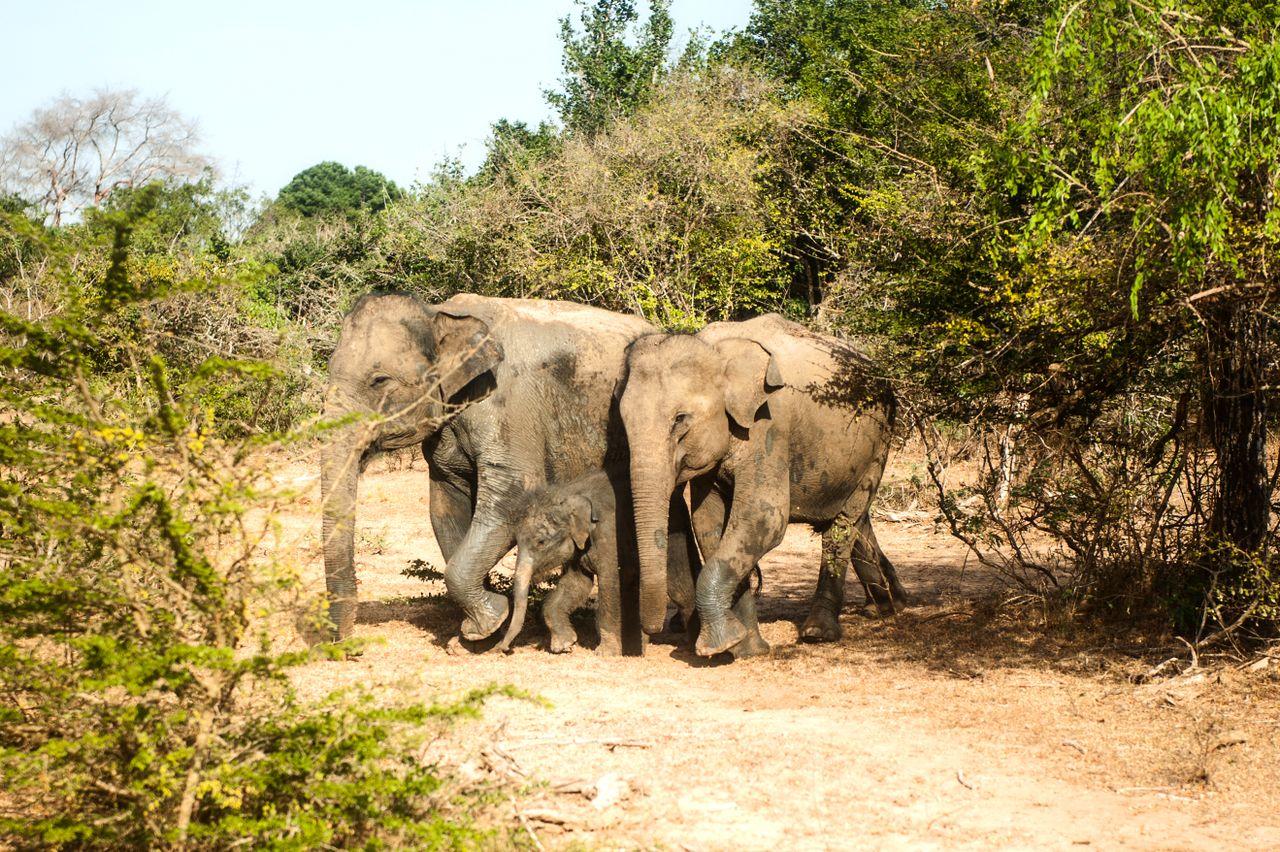
Sri Lankan elephants are another major presence in Yala. Depending on season and location, visitors may encounter solitary animals or groups moving between feeding and water areas.
Spotted deer, sambar, wild boar, water buffalo, toque macaques and langurs are among the mammals that can make a drive rewarding even when the large cats remain hidden.
Never encourage a driver to crowd or block an elephant. Space is especially important around mothers, calves and animals showing signs of discomfort.
BIRDLIFE, REPTILES AND SMALLER WILDLIFE
A slower Yala safari reveals much more than mammals. Wetlands and water bodies attract waterbirds, while raptors, peafowl and many resident dry-zone birds can be observed across the park.
Crocodiles may be seen around water, and monitor lizards and other reptiles add another layer to the ecosystem.
A knowledgeable guide can turn apparently quiet stretches into some of the most educational parts of the drive.
MORNING OR AFTERNOON SAFARI?
Early morning offers cooler air, soft light and the possibility of active wildlife before the heat strengthens. Afternoon drives can also be excellent as temperatures fall and animals begin moving again.
There is no guaranteed 'best' session. Weather, water availability, animal movement and chance matter more than a fixed formula.
If wildlife is a major priority, two separate drives can provide a broader experience than trying to force every sighting into one session.
SAFARI VEHICLES AND GUIDES
National-park exploration is normally done by 4WD safari vehicle on permitted tracks. Vehicle condition, driver behavior and guiding quality have a major effect on the experience.
Choose teams that respect speed limits, do not harass wildlife and can explain behavior and ecology.
A driver who refuses to join an aggressive vehicle crowd may provide a better safari even if another jeep gets a closer photograph.
CROWDS AND RESPONSIBLE SIGHTINGS
Yala's popularity can create congestion around leopards and other sought-after animals. Responsible tourism requires restraint.
Do not pressure drivers to overtake dangerously, block an animal's path or remain where the animal is visibly stressed. Noise should be minimized. Never feed wildlife.
The purpose of a national park is conservation first; visitor access exists under rules set by the wildlife authorities.
PHOTOGRAPHY
Bring a camera setup you can manage inside a vehicle without constantly changing lenses in dusty conditions. A moderate telephoto lens is useful for wildlife, while a wider option can capture Yala's habitat and atmosphere.
Avoid shouting to make an animal look toward the camera. Never request off-road driving for a better angle.
The best image is not worth damaging habitat or changing animal behavior.
WHAT TO BRING
• Neutral, comfortable clothing suitable for heat and dust
• Water and sun protection
• Binoculars
• Camera with secure strap or support
• Light rain protection when weather is uncertain
• A small bag that stays organized inside the vehicle
YALA WITH CHILDREN
A safari can be memorable for children who can tolerate several hours in a vehicle, heat, dust and periods with no dramatic sighting.
Parents should prioritize safe seating, hydration and realistic duration. A shorter drive may be more enjoyable than pushing a young child through a full-day wildlife schedule.
WHERE YALA FITS IN AN ITINERARY
Yala works naturally between Sri Lanka's south coast and hill country. Travelers can move from Mirissa or Tangalle toward the Yala/Tissamaharama area, then continue toward Ella, or combine the region with Udawalawe.
Bundala can add a different wetland and birding dimension for travelers who want more than one protected-area experience.
FREQUENTLY ASKED QUESTIONS
• Will I definitely see a leopard? No. Yala is famous for leopards, but wild sightings can never be guaranteed.
• Is Yala only about leopards? No. Elephants, deer, buffalo, reptiles and diverse birdlife are essential parts of the park.
• Morning or afternoon? Both can be rewarding. Conditions and wildlife movement vary.
• Can I get out of the jeep? Only where current park rules specifically permit. Follow DWC and guide instructions.
• Can Yala close seasonally? Access arrangements and blocks can change, so current official information should be checked before travel.
FINAL THOUGHTS
Yala is at its best when the safari stops being a race for a leopard and becomes an exercise in attention.
A paw print in dust, a deer alarm call, an elephant appearing from scrub and a crocodile motionless beside water all belong to the same wild system.
At Ceylon Velo, we want the traveler to leave with more than a sighting list: with a clearer understanding of why the landscape deserves protection.
Written By
Ceylon Velo
Lead Travel Curator at Ceylon Velo with a passion for uncovering the untold stories of the island.
Join the Journey
Subscribe to receive exclusive travel guides and island stories directly in your inbox.