
V
EXPLORE SRI LANKA
PLAN YOUR JOURNEY
CEYLON VELOSRI LANKA
Tea & Plantation Experiences
Tea Factory Tours: The Complete Guide
June 5, 2026 9 min read
MANUFACTURING, TASTING AND THE STORY BEHIND CEYLON TEA
Ceylon Tea is one of Sri Lanka's best-known names abroad, yet the finished cup hides an intricate process.
A tea factory tour reveals how quickly fresh leaf must move from hillside to manufacture, how small changes in handling influence the final tea and why 'Ceylon Tea' is not one single flavor.
The Sri Lanka Tea Board's official manufacturing guidance describes the sequence from plucking to weighing, withering, rolling, aeration, drying, sorting and packing. Seeing those stages in person turns a plantation landscape into an understandable production system.
FROM THE TEA BUSH TO THE FACTORY
The process begins in the field.
Tea Board guidance emphasizes selective plucking of the tender upper growth - the celebrated 'two leaves and a bud.' Coarser leaf lowers quality.
Fresh leaf is collected and taken for weighing before manufacture.
Speed and careful handling matter because the leaf begins changing as soon as it is removed from the bush.
A good factory tour starts by explaining this connection between field quality and factory quality.
WITHERING
Fresh tea leaf contains substantial moisture and is too firm for the next stages.
During withering, air passes through spread leaf so it loses moisture and becomes softer and more pliable.
The stage also begins important chemical and aromatic changes.
Visitors may see long withering troughs filled with green leaf, although the quantity present depends on the day's harvest.
ROLLING
After withering, the leaf is rolled.
Tea Board material explains that rolling ruptures leaf cells, allowing internal components to mix with oxygen during the next stage.
Traditional-looking rollers are among the most visually interesting pieces of factory machinery.
Their purpose, however, is functional rather than decorative: they prepare the leaf for controlled oxidation.
AERATION OR OXIDATION
What older tea language sometimes called 'fermentation' is more accurately an oxidation process.
The rolled leaf is exposed to air under controlled conditions.
Color and aroma develop as chemical reactions progress.
Timing is crucial: too little or too much oxidation changes the final character.
This stage helps explain why tea manufacture is not simply drying leaves.
DRYING
Once the desired oxidation has developed, hot air dries the tea and stops further reaction.
The leaf changes into the dark, dry form that consumers recognize as black tea.
Moisture must be reduced sufficiently for stability and storage without destroying desirable flavor.
SORTING AND GRADING
Finished tea is sorted largely according to leaf-particle size and appearance.
Grade names do not function as a simple universal quality ladder; they describe style and particle characteristics within the manufacturing system.
Factory guides may introduce terms such as whole leaf, broken leaf, fannings or dust.
A tasting is the best place to connect those categories with cup character rather than assuming one grade is always 'better' than another.
TEA TASTING
Tea Board material describes professional tea tasting as a skilled discipline.
Color, aroma, strength, brightness and other characteristics are assessed systematically.
For visitors, the tasting can be simpler but still educational.
Compare two or three teas without excessive sugar or milk first.
Notice aroma before drinking, then body, briskness, bitterness, sweetness and finish.
The point is not to discover one objectively best tea. It is to notice difference.
WHY ELEVATION MATTERS
Sri Lanka's tea regions vary in elevation, climate and seasonal conditions, producing different styles.
Nuwara Eliya, Uva, Dimbula and other recognized growing regions are associated with distinct climatic influences.
A factory tour becomes more meaningful when the guide explains the local region instead of presenting all Ceylon Tea as identical.
NUWARA ELIYA AND THE HILL COUNTRY
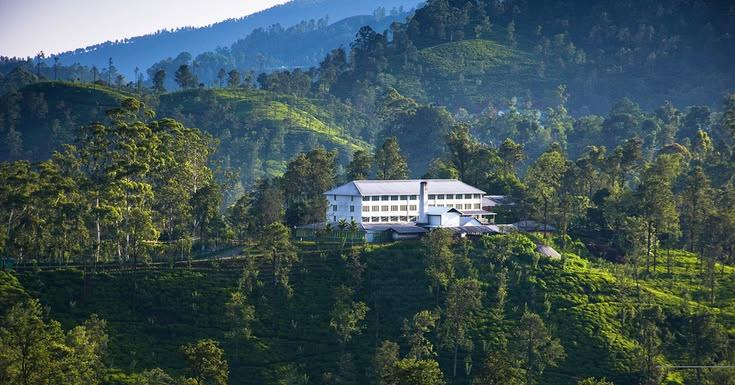
Official Sri Lanka Tourism identifies Nuwara Eliya as a major tea-production hub and promotes plantation and factory visits as part of the hill-country experience.
The cool climate, high elevations and colonial-era tea history make the region an obvious place for first-time visitors.
Hatton, Ella-area estates and other tea districts can provide equally valuable experiences depending on the itinerary.
WORKING FACTORY VS HERITAGE EXPERIENCE
A working factory offers the possibility of seeing active production, but production intensity changes by harvest, time and operational schedule.
A heritage-focused property or museum can provide stronger historical interpretation and machinery displays even when live manufacture is limited.
The best choice depends on whether the traveler values active production, history, tasting, scenery or a combination.
WHAT A GOOD GUIDE SHOULD EXPLAIN
• Why only selected fresh growth is plucked
• How withering changes the leaf
• Why rolling matters
• What oxidation does to black tea
• How drying stabilizes the product
• What tea grades actually mean
• How local elevation and weather influence flavor
• How to taste tea rather than simply drink it
FACTORY SAFETY AND ETIQUETTE
Tea factories are production spaces.
Follow marked routes, keep away from moving equipment and do not touch tea or machinery unless invited.
Photography may be restricted in certain areas.
Ask before using flash or photographing workers closely.
Closed or secure footwear is preferable on industrial floors and stairways.
BUYING TEA AFTER THE TOUR
A factory shop can be a convenient place to buy tea, but purchase by taste rather than assuming the most expensive package is automatically the best choice.
Ask whether the tea was produced on that estate, how it should be brewed and what grade or style it represents.
Keep expectations realistic about freshness and packaging; the value of the visit is education first, shopping second.
TEA AND LABOR
Tea is not only a product and landscape. It is also the result of human labor, much of it historically and presently carried by estate communities.
Responsible tourism should avoid reducing workers to photo props.
Ask before photographing people, listen to explanations about estate life and support experiences that treat workers with dignity.
COMBINING A FACTORY TOUR WITH TEA PICKING
The two experiences complement each other when handled respectfully.
Tea picking introduces the field skill and the human side of the harvest; the factory explains what happens next.
Doing both makes the full leaf-to-cup chain easier to understand.
WHAT TO BRING
• Comfortable shoes
• Light layer for cool highland weather
• Rain protection when needed
• Camera used respectfully
• Notebook or phone notes if you want to remember tea names and grades
• Curiosity rather than the expectation of a staged factory performance
FREQUENTLY ASKED QUESTIONS
What are 'two leaves and a bud'? The Sri Lanka Tea Board describes this as the tender upper growth selected during quality plucking.
Will all machines be running? Not necessarily. Production depends on leaf intake, timing, estate operations and safety rules.
How is black tea made? In simplified form: plucking, weighing, withering, rolling, oxidation, drying, sorting and packing.
Can I taste tea? Many visitor-oriented tours include tasting, but inclusions vary by estate.
Where should I do a factory tour? Nuwara Eliya is a major tea hub, while Hatton, Ella-area estates and other producing regions can also offer strong experiences.
Can children visit? Often yes, subject to the property's rules, but parents should supervise closely around industrial areas.
FINAL THOUGHTS
A tea factory tour is valuable because it removes the invisibility from an everyday drink.
After watching fresh leaves wither, roll, darken, dry and separate into grades, a cup of tea no longer feels simple.
At Ceylon Velo, we use the factory not as a souvenir stop but as a place to understand one of Sri Lanka's defining industries from leaf to cup.
Written By
Ceylon Velo
Lead Travel Curator at Ceylon Velo with a passion for uncovering the untold stories of the island.
Join the Journey
Subscribe to receive exclusive travel guides and island stories directly in your inbox.