
V
EXPLORE SRI LANKA
PLAN YOUR JOURNEY
CEYLON VELOSRI LANKA
Food & Culinary Experiences
Hopper Tasting: The Complete Guide
August 22, 2026 8 min read
PLAIN HOPPERS, EGG HOPPERS AND THE ART OF THE CURVED PAN
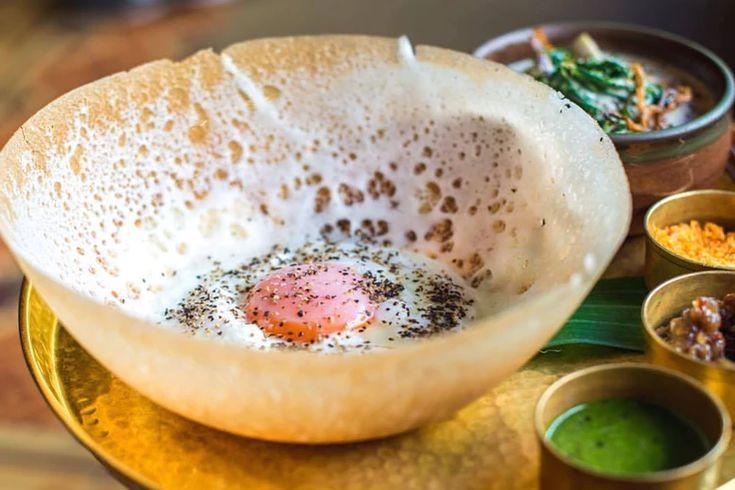
A hopper arrives looking almost too delicate to hold anything: a crisp lace-like rim surrounding a soft, slightly thicker center.
Then the cook cracks an egg into the middle, covers the pan and transforms the same shell into an egg hopper.
Few Sri Lankan foods combine technique, texture and theater so neatly. That makes hopper tasting one of the easiest food experiences to add to a journey.
WHAT IS A HOPPER?
A hopper is a bowl-shaped pancake made from a fermented rice-based batter, commonly including coconut milk or coconut-based liquid depending on the recipe.
It is cooked in a small rounded pan rather than on a flat griddle.
The cook pours in batter, lifts and rotates the pan quickly, and lets a thin layer climb the sides while a thicker pool remains in the center.
WHY THE SHAPE MATTERS
The curved pan creates two textures in one food.
The edge becomes thin and crisp. The center stays softer and more substantial.
That contrast is the defining pleasure of a freshly cooked hopper and the main reason it should be eaten immediately.
THE COOKING TECHNIQUE
Hopper making looks simple until you watch the speed and control required.
Too much batter produces a heavy hopper. Too little can tear. The pan must be hot enough for the batter to set as it is swirled.
A good tasting experience lets travelers stand close enough to see the movement without interfering with the cook.
PLAIN HOPPERS
A plain hopper is the best starting point because its flavor is subtle enough to reveal the batter and texture.
Eat the first piece without too many accompaniments so you can notice the crisp edge and soft center.
Then add lunu miris, sambol or curry.
EGG HOPPERS
An egg hopper is made by cracking an egg into the center of the partially cooked hopper before covering the pan.
The egg sets inside the bowl while the edge stays crisp.
Depending on preference, the yolk may be soft or more firmly cooked. Travelers who want a specific doneness should ask.
SWEET VARIATIONS
Some places offer sweeter hopper variations, sometimes using palm-based sweeteners or other additions.
These are worth trying when genuinely part of the local menu, but the core tasting should begin with savory plain and egg hoppers because they show the technique most clearly.
LUNU MIRIS
Lunu miris is a sharp, spicy condiment commonly associated with foods such as hoppers.
It typically combines chilli, onion and other seasonings, with recipes varying by household.
Because it can be intense, begin with a small amount.
SAMBOLS AND CURRIES
Hoppers can be eaten with coconut sambol, onion-based relishes or curries depending on the setting.
The neutral fermented base and crisp texture make them good carriers for stronger flavors.
A tasting becomes more interesting when the host explains which accompaniment is intended for which style.
FERMENTATION AND FLAVOR
Fermentation gives hopper batter character and helps create the texture associated with a well-made hopper.
Recipes and timing differ, so one cook's hopper may taste more tangy, delicate or coconut-forward than another's.
This variation is part of the experience rather than a flaw.
HOPPERS VS STRING HOPPERS
Despite the similar English name, hoppers and string hoppers are completely different foods.
Hoppers are bowl-shaped pancakes cooked in a small pan. String hoppers are steamed nests of fine rice-flour noodles, commonly eaten with curries and coconut-based accompaniments.
A food guide should make this distinction clear because first-time visitors often confuse them.
WHEN SRI LANKANS EAT HOPPERS
Hoppers are strongly associated with breakfast or evening eating depending on household and region, and many travelers encounter them most easily in the evening when hopper pans become active at local eateries.
Availability is not universal at every restaurant or every hour.
The best strategy is to choose a place known to cook them fresh to order.
STREET STALL, LOCAL EATERY OR HOTEL?
A busy local eatery can provide the most visible cooking action and freshest turnover.
A hotel may offer greater comfort and easier dietary communication, but buffet hoppers can lose their crispness if they sit.
The ideal premium experience combines local character with clean preparation and enough space for travelers to observe.
FRESHNESS IS EVERYTHING
A hopper deteriorates quickly after leaving the pan. Steam softens the crisp edge.
That is why a tasting should be organized around live cooking rather than a pre-plated display.
One perfect hopper eaten immediately is better than a large stack made in advance.
FOOD HYGIENE
Choose a stall, home or restaurant where pans, utensils and work surfaces are clean and ingredients are stored safely.
Eggs should be handled carefully and cooked to a level appropriate for the traveler, especially for pregnant travelers, young children, older adults or anyone advised to avoid undercooked egg.
Allergy information should be communicated in advance.
VEGETARIAN AND VEGAN OPTIONS
Plain hoppers can often fit vegetarian or vegan diets depending on the batter recipe, but ingredients should be confirmed.
Egg hoppers are vegetarian for people who eat eggs but not vegan.
Accompaniments may contain dried fish, Maldive fish, dairy or other animal products even when they look plant-based.
HOPPER TASTING WITH CHILDREN
Hoppers can be excellent for children because the plain version is mild and the crisp texture is familiar enough to feel approachable.
Offer chilli accompaniments separately.
Watching the pan technique can also turn a short meal into an engaging cultural activity.
PHOTOGRAPHY
The hopper pan and swirling motion are highly photogenic, but do not block the cook or place a phone directly over hot oil or flame.
Ask before filming close-up video, especially in a small kitchen.
The best photograph often comes from the side, showing both the cook's hand and the curved pan.
HOW TO TASTE HOPPERS
• Start with one plain hopper by itself
• Taste the crisp rim separately from the soft center
• Add a small amount of lunu miris or sambol
• Try an egg hopper
• Finish with a hopper paired with curry
• Compare which texture-and-flavor combination you prefer
WHERE IT FITS IN AN ITINERARY
A hopper tasting works beautifully as a short evening experience.
It can be added after sightseeing, before a longer dinner, or as part of a guided food walk.
For travelers staying around Colombo, Galle, Bentota or other towns, it creates a strong local moment without requiring a full-day commitment.
FREQUENTLY ASKED QUESTIONS
What is a hopper? A bowl-shaped Sri Lankan pancake cooked in a small curved pan.
What is an egg hopper? A hopper with an egg cooked in the center.
Are hoppers spicy? The hopper itself is usually mild; the accompaniments can be spicy.
Are hoppers gluten-free? Many traditional recipes are rice-based, but travelers with celiac disease or severe sensitivity should confirm ingredients and cross-contact directly.
Are hoppers vegan? Plain hoppers may be, depending on the recipe. Egg hoppers are not. Accompaniments also need checking.
What is the difference between hoppers and string hoppers? Hoppers are pan-cooked bowl-shaped pancakes; string hoppers are steamed rice-flour noodle nests.
FINAL THOUGHTS
Hopper tasting proves that a food experience does not need to be long or complicated to be memorable.
The magic is in watching a simple batter become something crisp, delicate and shaped by practiced movement.
At Ceylon Velo, the best hopper stop is the one where the pan is hot, the hopper is eaten immediately and the traveler understands what makes the technique special.
Written By
Ceylon Velo
Lead Travel Curator at Ceylon Velo with a passion for uncovering the untold stories of the island.
Join the Journey
Subscribe to receive exclusive travel guides and island stories directly in your inbox.